
Public Scrutiny Is Not a Threat to Good Government
The Weirton City Council voted 6-1 on June 9, 2026, to appoint Bob Kolanko to the Weirton Area Water Board, filling the seat previously held by George Ash, whose term expired on May 31.
The appointment concluded a process that had generated significant public discussion over the last several months. A previous nominee, Lawrence Wright, withdrew his name from consideration at the May 11, 2026 meeting after facing criticism on social media.
Throughout both appointment processes, several elected officials expressed frustration with public commentary. Mayor Dean Harris attributed Wright’s withdrawal directly to backlash on Facebook while Councilman Rick Stead condemned what he characterized as irresponsible speech. Councilman Tim Connell referred to criticism of Kolanko’s qualifications as a “social media mob.”
Those comments raise an important question: What role should public criticism play in local government?
The answer is simple. Public officials should welcome it.
The First Amendment was never intended to protect only popular opinions or speech that those in power find agreeable. Its purpose is to protect the right of citizens to question, criticize, and challenge government decisions. In fact, the speech most deserving of protection is often the speech that makes public officials uncomfortable.
Citizens do not surrender that right simply because a discussion takes place on social media rather than at a council meeting.
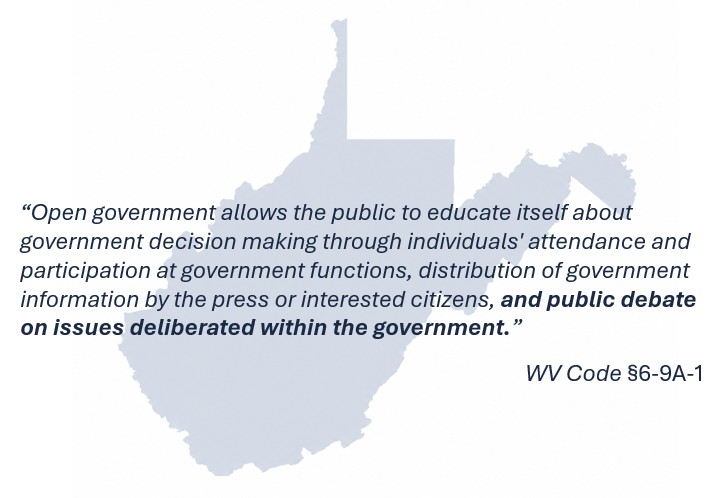
Public meetings remain an important part of civic engagement, but they are not the only avenue through which residents can participate in government. Many citizens work evenings, care for family members, have transportation limitations, or simply cannot attend meetings in person. Social media and online forums have become modern public squares where residents discuss issues, share information, and communicate concerns with their elected representatives.
Criticism of a public appointment is not an attack on democracy. It is democracy.
Anyone seeking appointment to a public board should reasonably expect their qualifications, experience, and views to be discussed by the public they will ultimately serve. Such scrutiny is not unfair; it is a necessary part of accountability.
Of course, freedom of speech is not unlimited. Defamation, threats, and harassment have no place in public discourse. But disagreement, criticism, and questioning the qualifications of public officials or appointees are all legitimate forms of civic participation.
From what has been publicly visible during the recent Water Board discussions, the majority of comments have focused on qualifications, experience, transparency, and the ongoing challenges facing the water system. Residents have expressed their views and debated issues that directly affect their community.
If public frustration appears to be growing, local leaders should ask why. Distrust is rarely created by public discussion itself. More often, it develops when citizens feel their concerns are dismissed, ignored, or treated as obstacles rather than valuable feedback.
Government exists to serve the people, not the other way around. Public officials are not entitled to agreement, and citizens do not need permission to voice concerns about decisions made on their behalf.
The solution to criticism is not less speech. The solution is more engagement, transparency, and a willingness to listen and partner with engaged citizens.
Whether comments are made from a council podium, an email, or a Facebook post, the principle remains the same: citizens have the right to question their government, and government officials have a responsibility to hear them.